
Quésia Villamil decided to become an obstetrician at the age of 12. To achieve this goal, she enrolled in the medical program at the Federal University of Minas Gerais, where she also completed her Residency in Obstetrics and Gynecology and a Master’s degree in Women’s Health, preparing herself to provide the best possible care for women during the most special moment of their lives: pregnancy and childbirth.
However, during her undergraduate studies, as she became involved with obstetric care during internships at public and private maternity wards, concerns began to arise. When Quésia realized that Brazilian care practices were very different from the recommended ones, she decided to do an internship abroad.
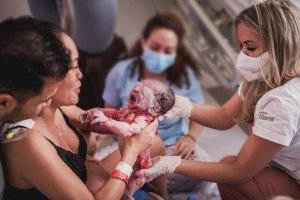
She went to the University of Turin in Italy to observe the obstetric service at Ospedale Sant’Anna. This experience was remarkable for her, as she got to know a service where women were attended by obstetric nurses who worked harmoniously with obstetricians, resulting in low cesarean rates and excellent perinatal outcomes.
Shortly after her residency, Quésia began consulting in private practice and attending the births of her clients at private maternity wards in the city. Always working in the way she believed was correct, she felt like a “fish out of water” and realized that she had a long road ahead.

She also worked in public maternity wards and, feeling the urgent need for improvement in care, nurtured a dream: that every woman in Belo Horizonte would have access to good childbirth care.
Over time, she became increasingly involved in the fight for good childbirth care. She met doulas, NGOs, women’s support groups, social movements, and politicians.
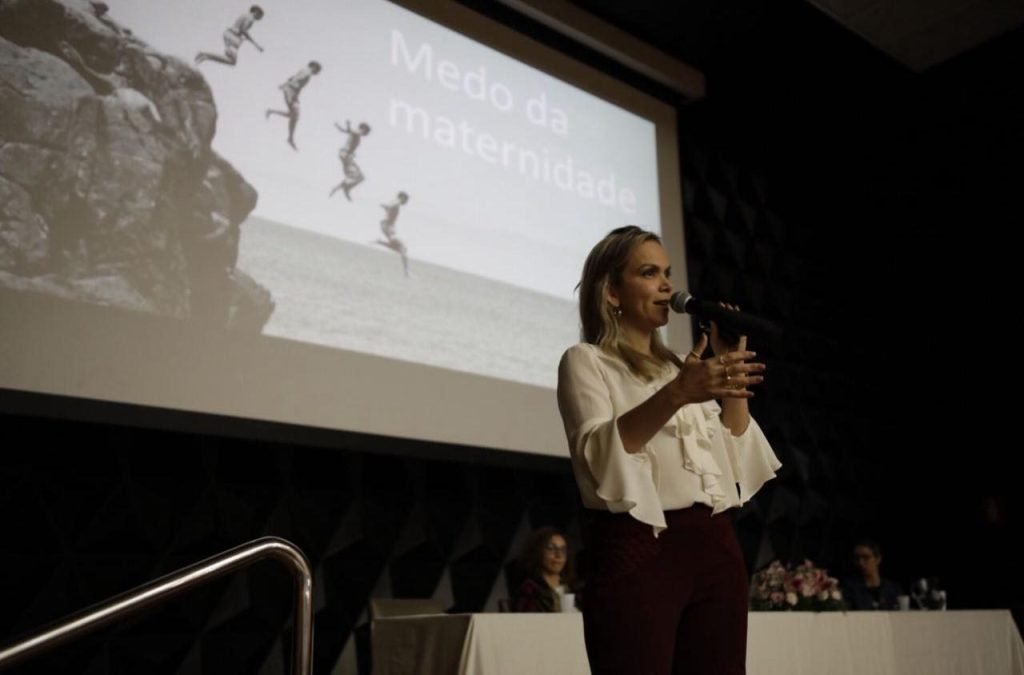
In the public sector, she worked for 10 years on the Perinatal Commission of the Belo Horizonte City Hall, a municipal sector that investigates maternal and neonatal deaths and promotes the implementation of best practices in neonatal care through forums and movements like BH for Normal Childbirth.
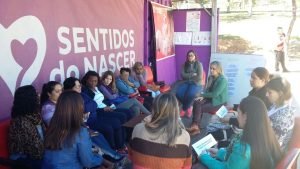
She participated in the creation and production of the exhibition “Sentidos do Nascer” and coordinated the production of the Municipal Guidelines for Childbirth Care in Belo Horizonte.
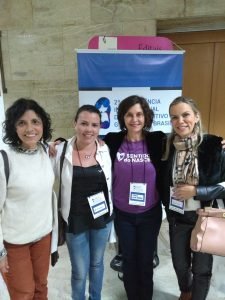
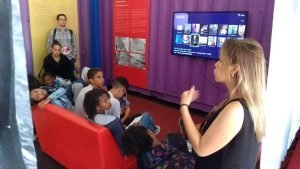
As a reference obstetrician for the Health Department of Belo Horizonte, she conducted courses and training for the medical teams of health centers and public maternity wards in the city and was an Institutional Supporter of the Stork Network – Ministry of Health.
In the private sector, Dr. Quésia formed a team to attend births at private maternity wards in Belo Horizonte and developed protocols for LDR (Labour Delivery Room) / PPP (Pre-labor, labor, and postpartum) care in four private maternity wards where this service is available.

Quésia had four children through normal childbirth. In her own births, she experienced everything she believed in: positive experiences with female protagonism and multidisciplinary team support.
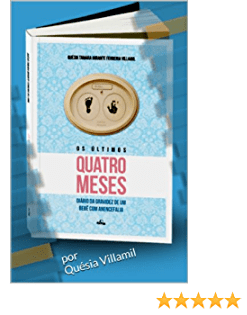
Her first birth inaugurated the birthing suite of a major private hospital in Belo Horizonte. Despite being the birth of an anencephalic baby, the experience was so moving that it inspired the production of a book: “The Last Four Months: Diary of the Pregnancy of a Baby with Anencephaly,” which was released two days before the birth of her second child.
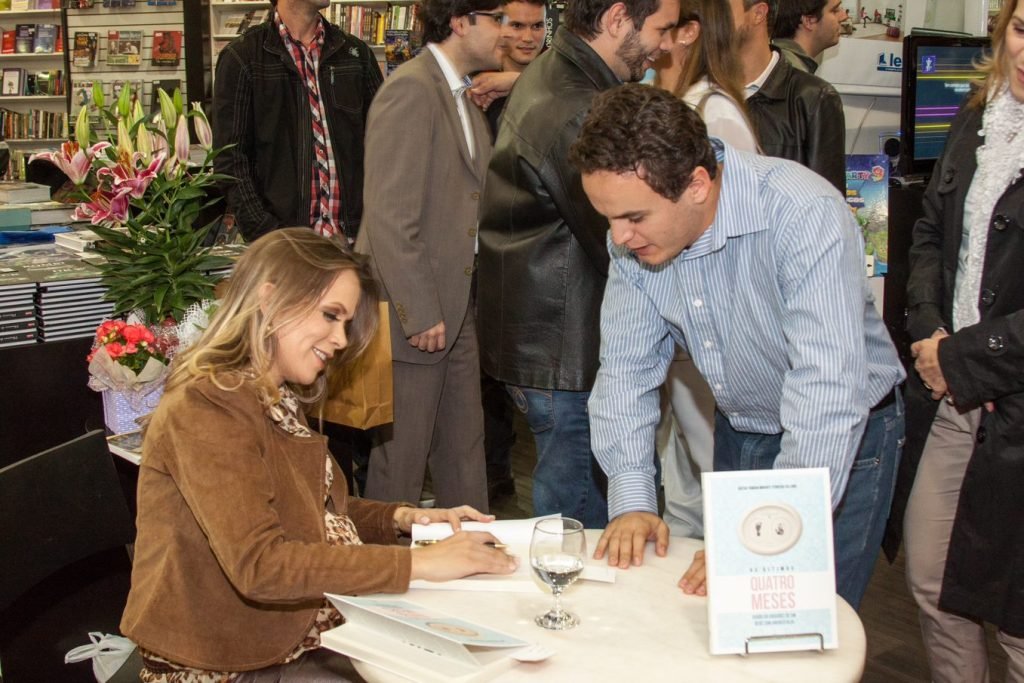
She then had three more children: Paulo, Estêvão, and Rebeca. All were born naturally, without interventions, with the last two being water births.

Due to her rich experience in obstetric care at personal, institutional, governmental, and assistential levels, Dr. Quésia also dedicates herself to sharing her accumulated experiences and learnings from 20 years of profession. Professional training is one of the branches of the Villamil Institute.